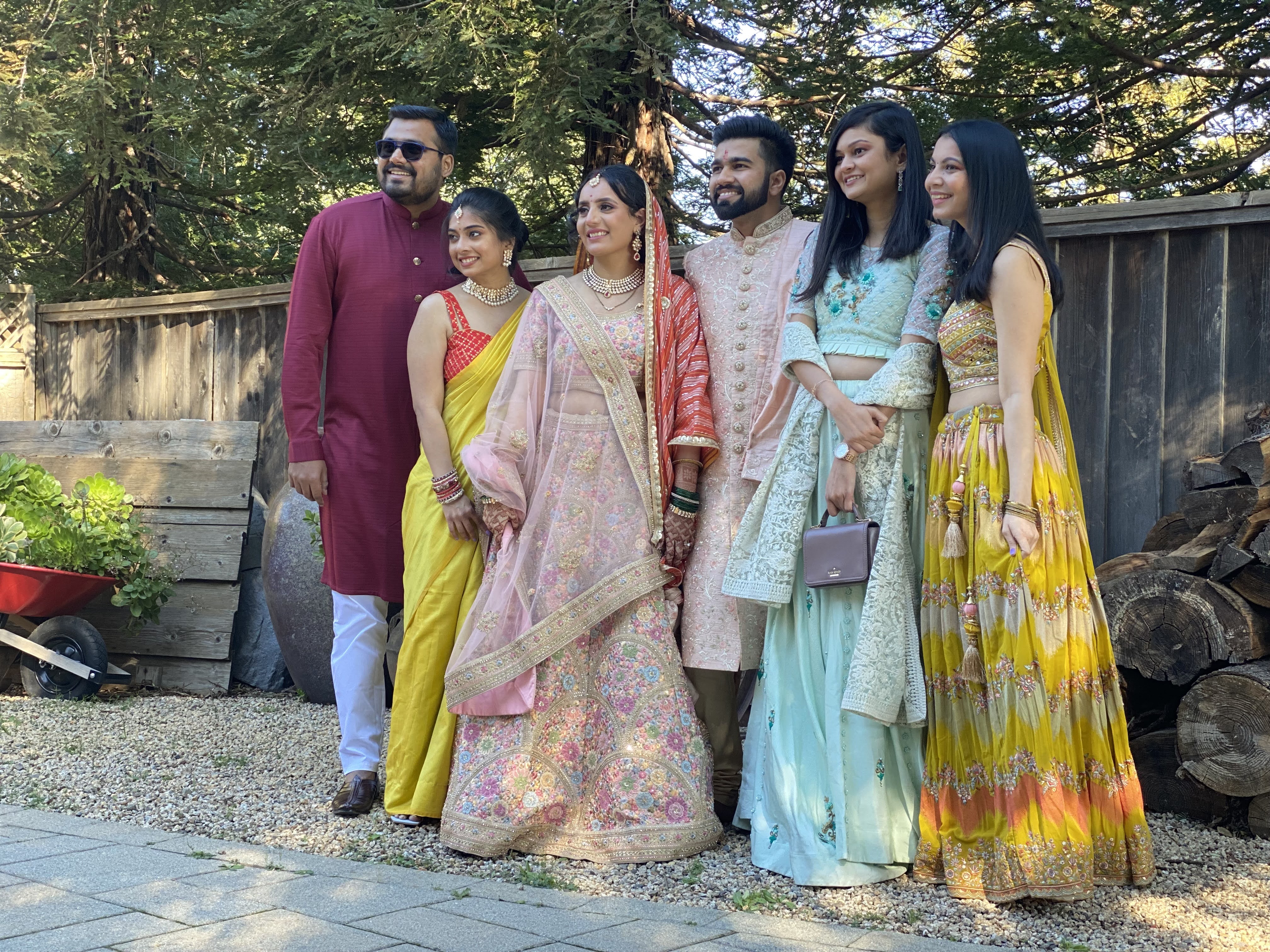
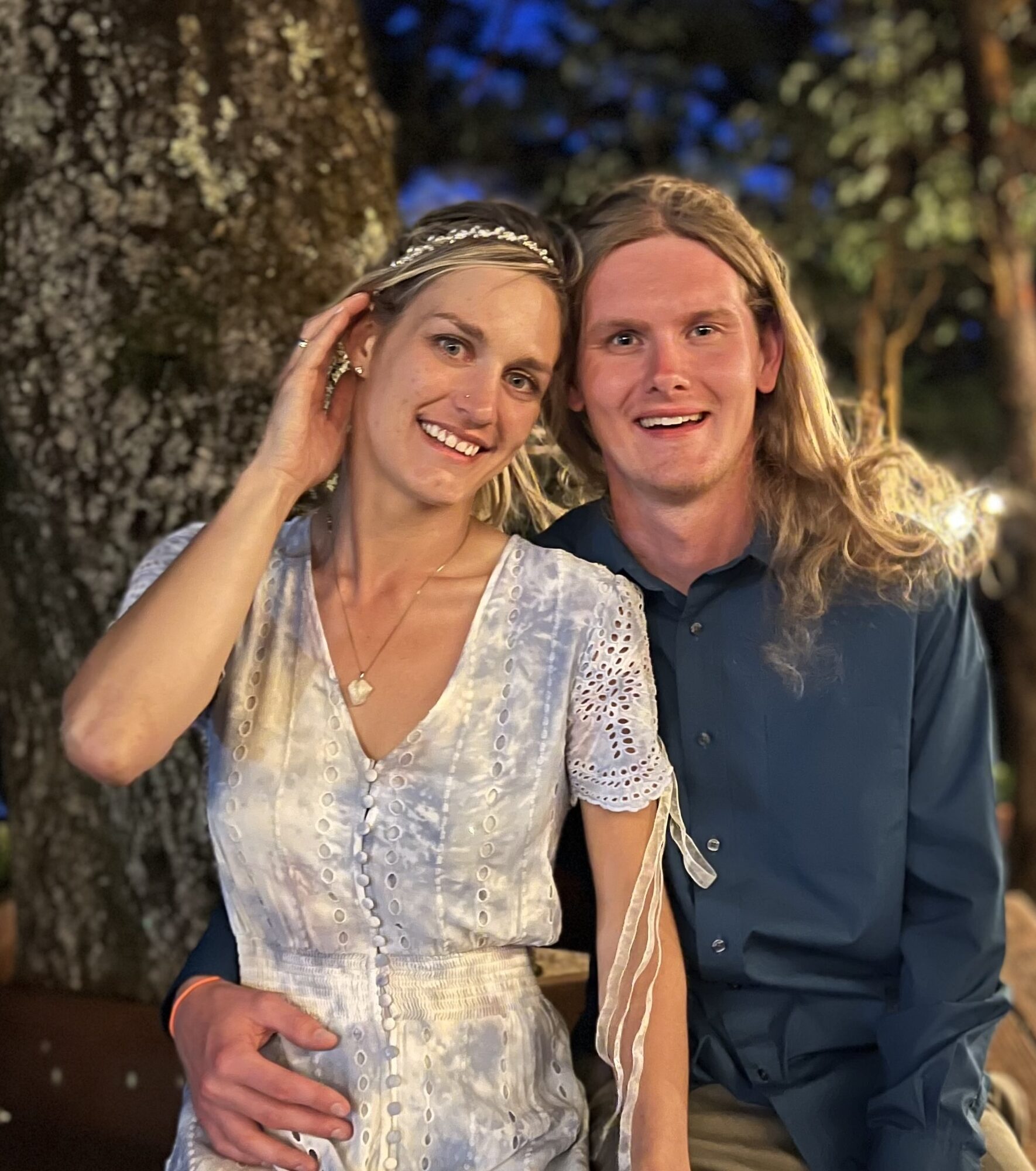
The Bay Area is home to one of the largest Chinese-American communities in the United States, and Silicon Valley couples planning traditional Chinese weddings face a familiar challenge: finding a venue that has the beauty, flexibility, and genuine understanding to honor their family traditions.
The Chinese wedding tea ceremony, known as Jing Cha (敬茶), is one of the most deeply meaningful moments in Chinese culture. It is not a side event or an optional addition. For many families, it is the heart of the wedding, the moment when the couple formally joins their families together in the presence of elders. Finding a venue that treats this ritual with the respect it deserves matters.
Living Well Event Center in Los Gatos offers a private outdoor estate 20 minutes from downtown San Jose, with mountain views, a natural waterfall, and a setting that creates the kind of quiet, natural beauty that makes the tea ceremony feel as significant as it is.
The Chinese Wedding Tea Ceremony: Jing Cha
Jing Cha, which translates literally as "to respectfully offer tea," is a formal ritual in which the newly married couple serves tea to their parents, grandparents, and family elders on both sides. It is one of the oldest and most enduring traditions in Chinese wedding culture, observed across Cantonese, Mandarin, Shanghainese, Taiwanese, and many other Chinese communities.
What Happens During the Tea Ceremony
The couple, dressed in traditional Chinese wedding attire or their reception outfits, kneel before each family elder in order of seniority and offer a cup of tea with both hands as a gesture of deep respect. The elder drinks the tea and offers a gift in return, traditionally red envelopes (lai see or hong bao) containing money, or family jewelry passed down through generations.
The ceremony moves through each family, from parents to grandparents to aunts and uncles, and can last anywhere from 30 minutes to an hour depending on the size of the family. Each exchange of tea is accompanied by a new title given to the couple by each elder, formally welcoming them into the extended family.
The tea served is typically oolong or a sweet red date tea, sometimes mixed with lotus seeds and longans, which together carry meanings of fertility, abundance, and sweet fortune in the years ahead.
Cantonese and Mandarin Variations
While the core ritual is similar across Chinese communities, there are variations by region and family tradition. Cantonese families often conduct the tea ceremony the morning of the wedding, before the formal ceremony or banquet. Mandarin and Taiwanese families may schedule it separately, sometimes as a stand-alone family event at home followed by an evening reception at a venue. Some families do both, with an intimate morning tea ceremony for immediate family and a larger reception in the evening. Whatever format your family follows, Living Well can accommodate each part of your day.
The Full Arc of a Traditional Chinese Wedding
Guo Da Li: The Betrothal Ceremony
Before the wedding day itself, many traditional Chinese families observe Guo Da Li, a formal betrothal ceremony in which the groom's family presents gifts to the bride's family. These gifts typically include whole roasted pigs, pairs of wine bottles, wedding cakes, and other symbolic items representing prosperity and good fortune. This ceremony formalizes the engagement in the eyes of both families.
An Chuang: Setting the Wedding Bed
An auspicious date is chosen, often selected with help from a fortune teller or feng shui master, for the An Chuang ritual in which the couple's bed is made up with new linens and symbolic items including dates, longans, peanuts, and chestnuts. These items together carry a wish for children and a sweet married life.
Jie Qin: The Hair Combing Ceremony
On the morning of the wedding, the bride and groom each undergo a hair combing ritual performed by a family elder, ideally someone who is happily married with children and grandchildren. The elder combs the hair four times while reciting blessings for a long and prosperous marriage, and the ritual marks the transition from single to married life.
Men Games: The Groom's Arrival
When the groom arrives to collect the bride, he is traditionally met by the bride's bridesmaids, who bar the door and require him to complete a series of games and challenges before he can enter. These games are as lighthearted or as demanding as the bridesmaids choose, and they end only when the groom presents enough red envelopes to satisfy the group. This tradition, joyful and often hilarious, is one of the most photographed moments of the morning.
Jing Cha: The Tea Ceremony
As described above, the formal tea ceremony is offered first to the bride's family, then to the groom's family. Each exchange is intimate and emotionally charged. For many parents and grandparents, this is the moment of the wedding they will remember most.
The Wedding Ceremony and Banquet
Many contemporary Chinese-American couples blend a Western-style ceremony (vows, rings, officiant) with traditional Chinese elements. The evening banquet is the centerpiece of the social celebration, a multi-course feast during which toasts are offered, tables are visited by the couple, and the full joy of the day is shared with everyone present. Red and gold, the colors of luck and prosperity, are woven throughout the decor.
Other Asian Wedding Traditions at Living Well
Korean Weddings and the Paebaek Ceremony
Traditional Korean weddings include a ceremony called Paebaek, in which the couple, dressed in traditional Hanbok, bows deeply to the groom's parents and serves them food and rice wine (makgeolli or cheongju). The parents toss chestnuts and dates to the bride, who catches them in her skirt to symbolize how many children the couple will have. The Paebaek is often held as a separate, family-only ceremony after the main wedding celebration, and Living Well's private outdoor space is a natural fit for this intimate ritual.
Vietnamese Weddings
Vietnamese weddings feature an engagement ceremony (Le Dinh Hon) and a wedding ceremony (Le Cuoi), often conducted on different days. A procession of gift trays from the groom's family to the bride's family is one of the most visually striking elements, with lacquered trays bearing betel leaves, areca nuts, fruit, wine, cakes, and jewelry carried by family members in matching Ao Dai. An outdoor property with open paths and natural beauty is ideal for this kind of ceremonial procession.
Why Living Well Works for Chinese and Asian Weddings
Space and Privacy for the Tea Ceremony
The tea ceremony requires a setting that feels intimate and dignified, not a hotel lobby or a folding table in the back of a banquet hall. At Living Well, the ceremony can be set up on the redwood deck or in a defined garden space, with seating arranged for elders and the full family gathered around in a way that honors the ritual. Because you have the entire property to yourself, there are no distractions, no strangers walking through, and no time pressure from another event in an adjacent room.
Bring Your Own Caterer for Authentic Chinese Cuisine
A Chinese wedding banquet is one of the great culinary traditions in the world. The multi-course feast, including dishes selected for their symbolic significance as well as their flavor, deserves a catering team that truly specializes in it. At Living Well, you are welcome to bring any caterer you choose. The Bay Area's Chinese and Asian catering landscape is exceptional, and our full catering kitchen is available to your team.
Red and Gold Decor Welcome
Traditional Chinese wedding decor in red and gold is bold, beautiful, and transformative. Our outdoor spaces are an open canvas for your decorators. Whether you envision red lanterns strung across the deck, floral arrangements of peonies and orchids, or a full traditional red wedding altar setup, our team is happy to work with you and your decorator to make it happen.
Flexible Scheduling for Multi-Part Wedding Days
Chinese weddings often involve multiple ceremonies at different times of day. A morning tea ceremony followed by an afternoon garden ceremony and an evening banquet is not unusual. Living Well is available from 11am to 11pm, giving you a full day to work with, and we are experienced in helping families choreograph multi-part celebrations on the same property.
Living Well for Chinese and Asian Weddings
- Private 4-acre estate with no shared spaces or other events on property
- Outdoor deck and garden ideal for intimate tea ceremony setup
- Natural waterfall, orchard, and Monterey Bay views
- Bring your own caterer for authentic Chinese or Asian cuisine
- Full catering kitchen on site
- Capacity up to 100 guests
- Available 11am to 11pm, flexible for multi-ceremony days
- Event liability insurance included
- Ample on-site parking, no valet required
- 20 minutes from downtown San Jose via Highway 17
- Officiant services available if needed
Planning Your Chinese Wedding in the Bay Area
Choosing an Auspicious Date
Many Chinese families consult a Chinese almanac (Tong Shu) or a feng shui master to select an auspicious wedding date. This narrows the calendar significantly, which means the best dates can book up well in advance. If you have a specific auspicious date in mind, we encourage reaching out to us early so we can confirm availability and hold the date for you.
Coordinating Multiple Families Across Cultures
Many Bay Area Chinese-American couples are blending traditions, with one partner's family observing traditional rituals and the other expecting a more Western-style ceremony. Living Well's flexible space and open vendor policy make it easy to design a wedding day that honors both. We are happy to spend time on a site visit discussing how the day might flow and how the property can be configured for different parts of the celebration.
Banquet Considerations at a Non-Banquet Venue
Living Well is not a hotel banquet hall, which is exactly its appeal. However, it is worth noting that our capacity of 100 guests is well suited to an intimate wedding banquet, and our open caterer policy means your team can design the full multi-course menu your family expects. For larger banquets of 200 or more guests, Living Well is best suited to the ceremony and tea ceremony portions of the day, with a separate banquet venue for the evening meal.